

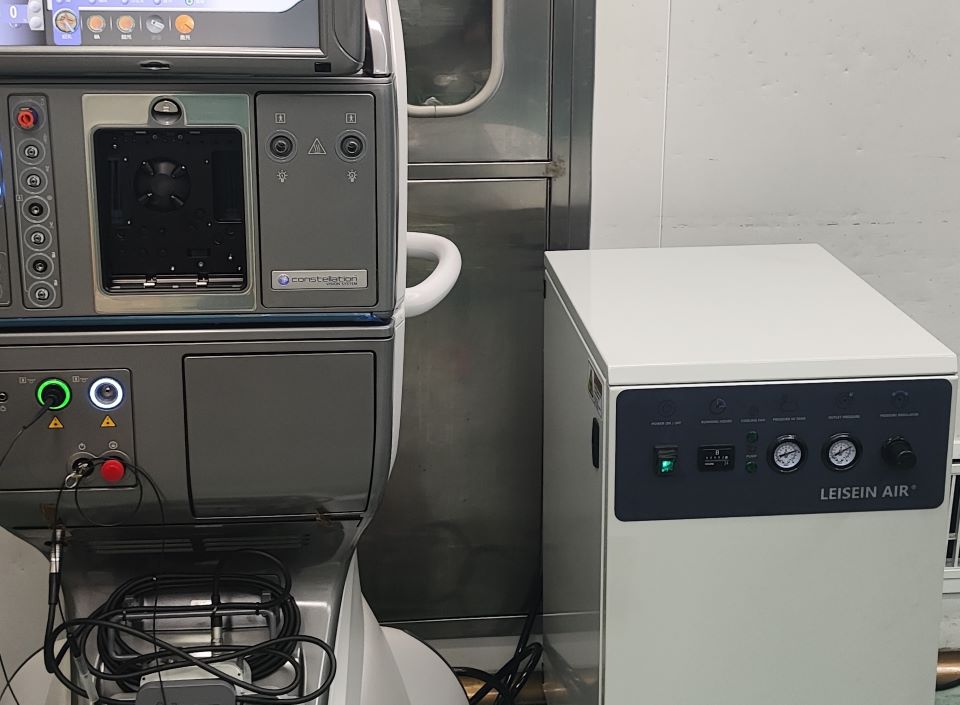
When equipping a modern laboratory, the integrity of your air supply is just as critical as the precision of your instruments. Selecting an Oilless Rocking Piston Compressor requires a nuanced understanding of how air generation impacts sensitive analytical equipment. Unlike standard industrial compressors, rocking piston technology offers a unique balance of compact design, low vibration, and oil-free purity, making it the preferred choice for life sciences and research facilities. Understanding the specific advantages of this technology is the first step toward safeguarding your data and workflow.
Understanding the Rocking Piston Advantage
Before evaluating specifications, it is essential to recognize why rocking piston technology stands out in laboratory settings. Unlike traditional linear reciprocating compressors, a rocking piston moves with a pivoting motion that reduces friction and wear without requiring oil lubrication. This mechanism inherently produces less heat, lower noise, and minimal vibration—three critical factors for maintaining a stable lab environment.
Now that you understand the technology, let’s explore the essential aspects to consider when choosing one for your facility.
1. Air Purity and Contamination Control
The most critical factor is ensuring the compressed air meets the purity standards required by your instruments. Techniques like Gas Chromatography (GC-MS) or Liquid Chromatography (LC-MS) are highly sensitive to hydrocarbon contamination. Verify that the compressor delivers required ISO 8573-1 Class certified air. An oilless rocking piston design eliminates the risk of oil carry-over entirely, protecting your columns and detectors from costly damage and skewed results.
2. Noise Levels and Vibration Damping
In a shared research space, noise pollution can disrupt concentration and communication. However, for labs, vibration is an even greater concern. Excessive vibration can interfere with analytical balances and microscopes located nearby. LEISEIN Rocking piston compressors are naturally balanced to minimize vibration, but you should still review the decibel (dB) ratings and mounting options. Look for units with integrated sound-dampening enclosures to ensure a quiet, stable workspace.
3. Footprint and Space Integration
Laboratory bench space is at a premium. Unlike large industrial units, LEISEIN rocking piston compressors are designed for compactness. Evaluate the physical dimensions relative to your available floor or bench space. Consider whether the unit is designed for under-bench installation or if it requires ventilation clearance. A well-designed unit should integrate seamlessly into your lab layout without obstructing workflow or access to utilities.
4. Flow Stability and Pressure Consistency
Sensitive instruments require a steady stream of air without pressure pulsations. Fluctuations can cause baseline noise in chromatography or inconsistent nebulization. Ensure the compressor includes an integrated receiver tank and pressure regulation system that delivers pulse-free air. The unit should be sized to handle your peak flow demand (CFM or L/min) while maintaining constant pressure (PSI or Bar) to prevent instrument errors.
5. Maintenance and Service Intervals
Downtime in a laboratory can halt critical research. One of the key benefits of rocking piston technology is its self-lubricating nature, which reduces routine maintenance tasks. However, you should still assess the service intervals for intake filters and check valves. Choose a model, e.g. LEISEIN compressor, designed for easy access to serviceable parts, and verify the availability of spare components to ensure long-term operational continuity.
6. Manufacturer Support and Warranty
Finally, consider the expertise behind the product. Partnering with a manufacturer who specializes in laboratory air systems ensures you receive equipment designed for your specific environment. Look for comprehensive warranty coverage and access to technical support teams who understand laboratory compliance and application needs.
Summary Checklist for Lab Managers
- Confirm required ISO 8573-1 Class air purity certification
- Verify noise levels (dB) and vibration specifications
- Measure available bench or floor space for footprint
- Ensure pulse-free pressure stability for sensitive instruments
- Review maintenance intervals and filter accessibility
- Choose a manufacturer with dedicated lab support
Conclusion
Choosing the right oilless rocking piston compressor involves balancing technical requirements, environmental comfort, and long-term reliability. By prioritizing air purity, vibration control, and space efficiency, you can secure an air supply that supports rather than hinders your research.
If you want to learn more about how Leisein oilless rocking piston compressors can match your laboratory requirements, please contact us for detailed consultation and product options.