

Medical-Grade Compressed Air Solutions specially designed for hospitals and medical practices
From large medical centers to private clinics, the integrity of compressed air is critical for patient safety and operational efficacy. In the healthcare sector, air quality cannot be compromised. LEISEIN delivers specialized compression technology that combines silent, oil-free performance with compact engineering and energy efficiency. Many medical procedures and instruments depend on high-quality, dry air to function correctly. Our oil-free piston compressors, paired with advanced filtration and integrated drying systems, provide the ideal foundation for generating medical-grade compressed air. Beyond central supply systems, our units support a wide range of decentralized clinical applications.
Ensuring the Highest Air Purity Standards for Healthcare
Compressed air quality in medical facilities is governed by strict regulatory standards. The ISO 8573-1:2010 standard defines the required purity classes, including particulate matter, water content (pressure dew point), and oil concentration. LEISEIN systems equipped with drying technology are designed to meet rigorous condensation limits, achieving low pressure dew points even under operational tank pressures. By utilizing oil-free compression technology, our stations ensure oil content remains well below the 0.01 mg/m³ threshold specified by the European Pharmacopoeia, safeguarding instrument functionality.
Backed by extensive collective experience in medical compression technology, the LEISEIN team is qualified to guide you from initial system design through installation and ongoing support. We understand the critical nature of healthcare operations and are committed to ensuring your complete satisfaction long after the equipment is commissioned.
Compressed air for Ophthalmologists and Eye Surgeons
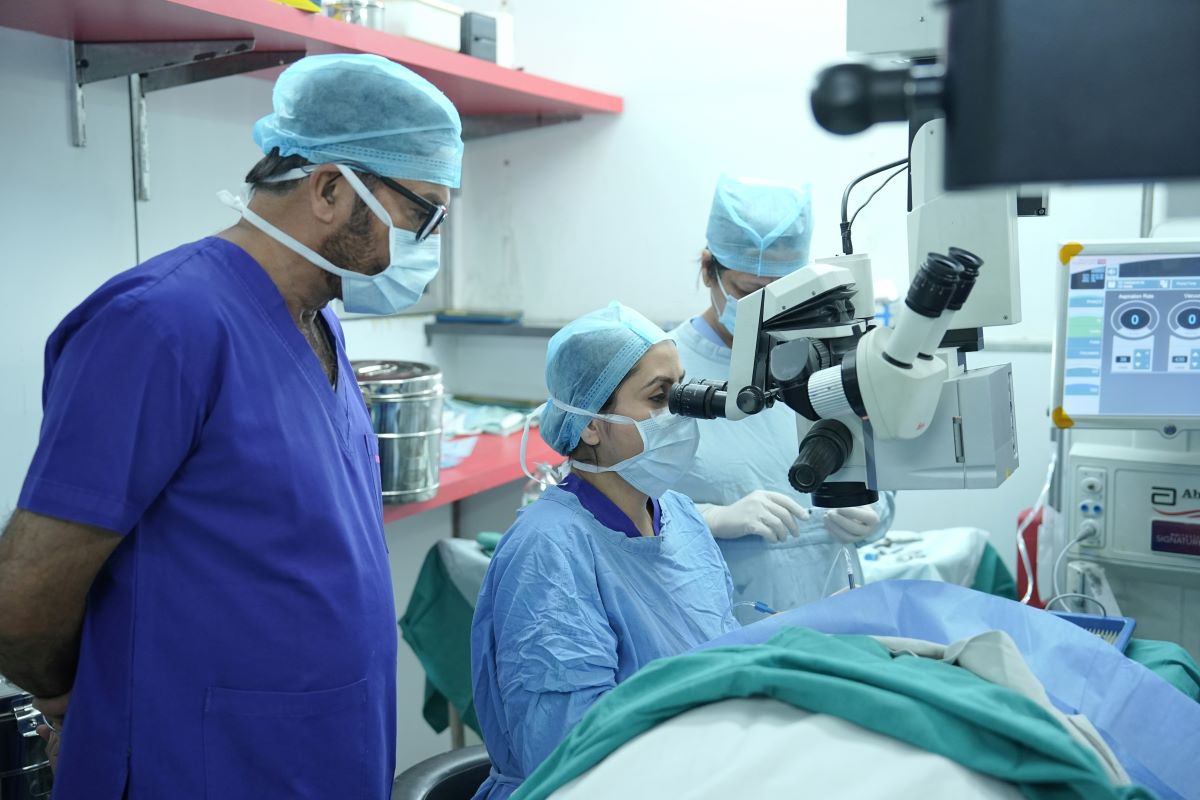
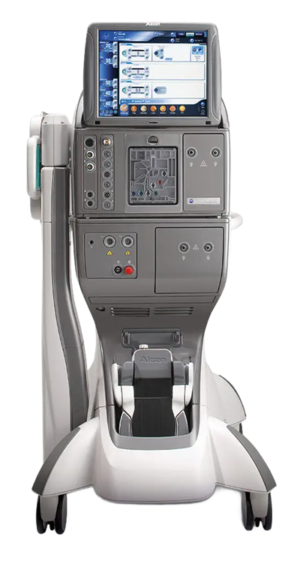
In ophthalmic surgery, Vitrectomy involves the surgical removal of the vitreous humor—the transparent gel-like mass within the eye. While compressed air powers the pneumatic cutter’s motion, vacuum control is critical for optimizing both efficiency and safety. Vacuum assistance increases cutter impact speed, optimizing tissue removal efficiency and surgical precision. Simultaneously, stable vacuum aspiration minimizes traction on the delicate retina, reducing the risk of iatrogenic damage. This balance empowers surgeons to operate with confidence, ensuring tissue-friendly procedures and superior patient outcomes. Pressure instability can affect instrument responsiveness, while operational noise can disrupt the focused environment of the operating room. In vision surgery, there is no margin for error.
Drying of Endoscopes and Instruments
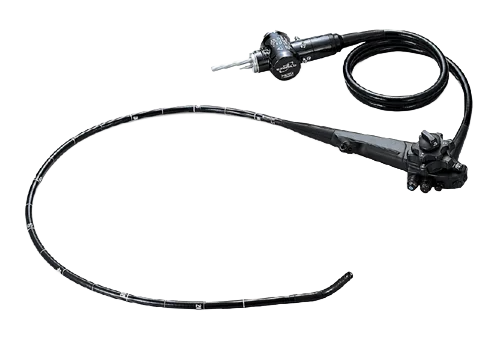
Following manual cleaning and high-level disinfection, endoscope channels require a thorough hygienic drying process to complete the reprocessing cycle. Effective drying is essential to prevent microbial regrowth and ensure the sterility of reusable endoscopic instruments. Residual moisture inside lumens creates an environment where pathogens can proliferate, risking patient cross-contamination. To eliminate this risk, all residual fluids must be expelled from endoscope channels using clean, dry, oil-free compressed air.
Hygienic drying with oil-free compressed air completes the reprocessing cycle by eliminating the moisture that fuels microbial growth. Since bacteria thrive in damp lumens and channels, it is essential to dry-blow all instrument cavities and surfaces with filtered air to ensure safe, recontamination-free storage.
Compressed air for Shock Wave Therapy with ESWT devices
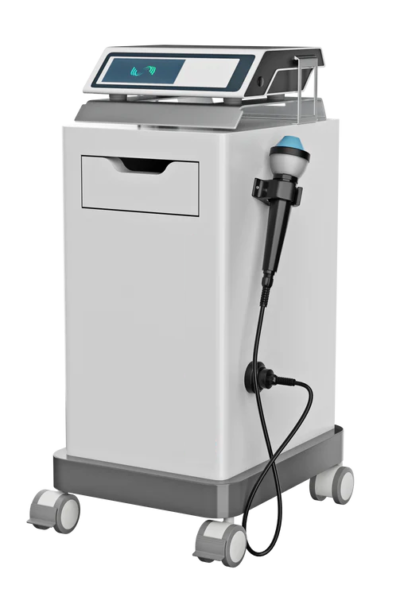
In the field of orthopaedics, Extracorporeal Shock Wave Therapy (ESWT) is a well-established treatment for conditions such as chronic inflammation. A common modality is Radial Shock Wave Therapy (RSWT), where shock waves are pneumatically generated. In this process, compressed air accelerates a high-speed projectile within a handpiece; upon impact with an applicator, a pressure wave is created. This pulse is then transmitted through the skin into the target tissue via a coupling gel. To ensure the highest standards of device performance and hygiene, an oil-free compressor is utilized to generate the necessary mechanical pressure.
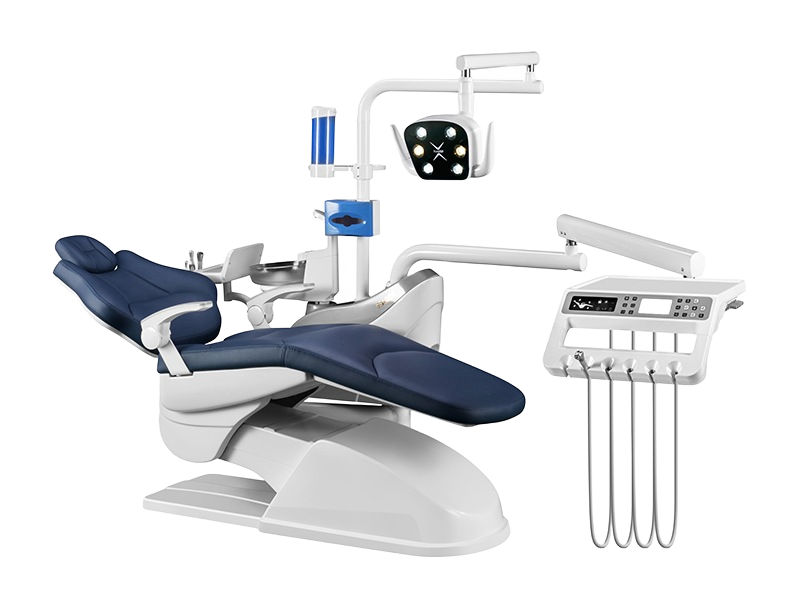
Compressed air for Dental Units
Compressed air is the fundamental power source behind modern dentistry, driving everything from high-speed handpieces and suction systems to infection control and pneumatic unit adjustments. Because this air comes into direct contact with patient tissue and sensitive dental materials, the quality of the air supply is non-negotiable.
Choosing an oil-free compressor is more than a technical preference; it is a critical standard for patient safety and clinical success. By eliminating the risk of hydrocarbon contamination, oil-free systems guarantee the air purity required for high-strength material bonding, protect expensive dental instruments from internal damage, and maintain a sterile, hygienic environment for every procedure.
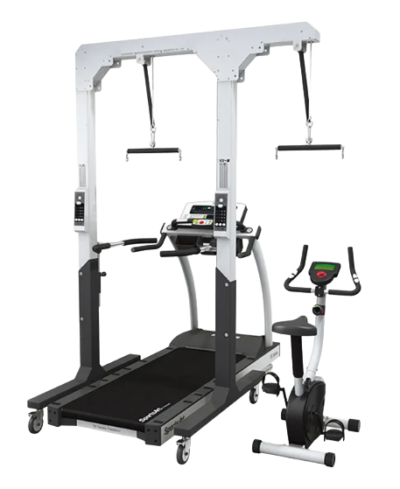
Compressed air for Rehabilitation and Exercise Equipment
Modern rehabilitation and exercise equipment increasingly relies on compressed air for pneumatic resistance systems, adjustable support mechanisms, compression therapy devices, and patient positioning lifts. In these human-facing applications, air quality and operational behavior directly impact user safety and comfort. Oil contamination can compromise air pathways that contact patients or generate odors in clinical spaces, pressure fluctuations can create inconsistent resistance that undermines therapeutic progress, and operational noise can disrupt the calm environment essential for recovery and focus.
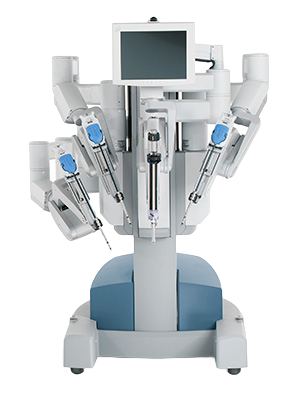
Compressed air for Surgical Robotics and Precision Instrumentation
Advanced surgical robotics and precision instrumentation rely on compressed air for critical functions: pneumatic actuation of robotic arms, haptic feedback systems, tool-changing mechanisms, instrument cooling, and sterile-field purging. In these ultra-high-stakes environments, air quality and pressure stability directly impact surgical outcomes. Oil aerosols can compromise sterile drapes or contaminate instrument pathways, pressure fluctuations can introduce positional drift or reduce haptic fidelity, and operational noise can disrupt surgical team communication. In robotic-assisted procedures, where sub-millimeter accuracy defines success, there is zero tolerance for air supply variability.
Key Benefits for Medical Facilities
Safety Certified & Adaptable
- Engineered to comply with stringent medical safety standards (specific models available with medical device certification).
- Scalable compressor sizes allow flexible deployment across various clinical settings and usage demands.
Cost-Efficient & Simplified Upkeep
- Streamlined design minimizes maintenance tasks, requiring only periodic filter replacements.
- High-efficiency components and durable construction lower long-term energy and operating costs.
Quiet Operation & Ready-to-Use
- Units arrive pre-configured for immediate integration into existing medical gas systems.
- Automated condensate management ensures hygienic operation with minimal staff intervention.
- Advanced sound attenuation technology maintains a peaceful environment for patients and staff.